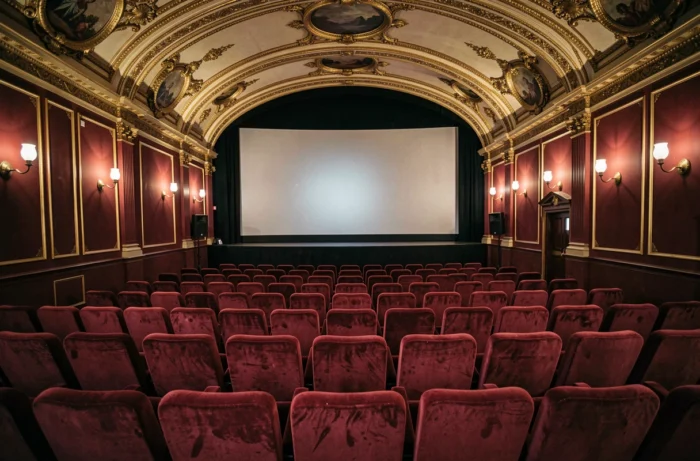
Cinéma Capitole in Brussels is built around a positioning that most cinemas in the capital do not claim: a place where the screening itself, not just the film, is the product. In a Brussels cinema landscape dominated by standardised multiplexes and a handful of art-house venues, Capitole anchors its identity in the big-screen format as an end in itself, not just another marketing angle.
Acoustic calibration and projection at Cinéma Capitole: what happens before the opening credits
A cinema is judged first and foremost by its technical setup. At Capitole, the configuration centres on a generously sized screen and acoustic treatment designed to keep the soundtrack from getting lost in an overly large space. This aspect is rarely covered in Brussels guides, which tend to focus on programming or atmosphere.
The difference between a properly calibrated auditorium and one that is simply large can be heard in how dialogue comes through during quiet passages. A multiplex relies on power; a venue like Capitole relies on precision. Audiences notice the difference, even if they cannot always put it into words.
On the Cinéma Capitole website, the presentation of the venue confirms this technical focus, with an architectural approach that prioritises the relationship between audience and screen over adding more seats.
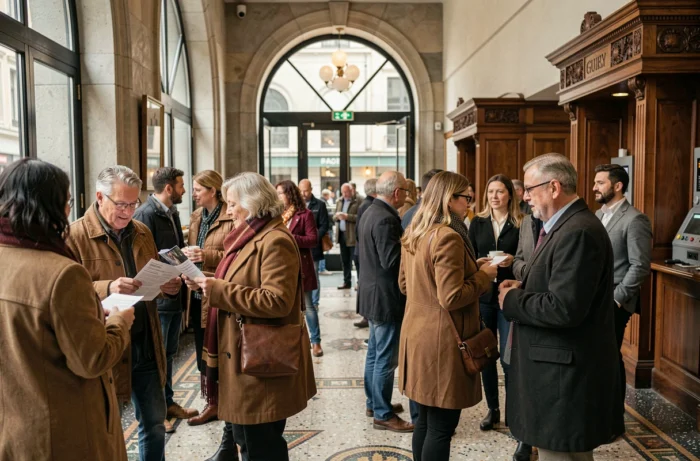
Capitole Brussels programming: between national releases and films outside the mainstream
Capitole fits neither into the category of pure art-house cinemas (such as Nova or Cinematek, both well documented by visit.brussels) nor that of commercial multiplexes. This middle ground allows it to combine mainstream releases with less widely seen titles on the same screen.
Where a multiplex assigns its largest auditoriums to blockbusters and relegates independent films to smaller spaces, Capitole applies the same projection standards regardless of the title being shown. An arthouse film benefits from the same technical conditions as a big-budget release.
What this means for audiences
Watching an independent film projected on a large screen with carefully balanced sound radically changes how the work is received. Brussels independent cinemas such as l’Aventure and le Vendôme offer demanding programmes, but in more modestly sized auditoriums. Capitole occupies a niche we could describe as independent cinema in a multiplex format.
Cinemas in Brussels: what sets Capitole apart from the local scene
Brussels has a remarkable concentration of independent cinemas. Kinograph, Palace, Galeries, Nova: each champions a strong editorial line. The scene is rich and well documented, notably by visit.brussels in its cultural guides. Capitole stands apart in three concrete ways.
- Screen size: Capitole offers a screen-to-auditorium ratio above the average for Brussels independent cinemas, placing audiences in a more immersive field of vision, comparable to what national chains offer without adopting their commercial model.
- Programming versatility: unlike cinemas dedicated to a particular genre (documentaries at Cinematek, experimental films at Nova), Capitole is not limited to one segment. This flexibility attracts a broader audience without compromising its high projection standards.
- Roots in the neighbourhood: Capitole operates as a local cinema, not as a cultural destination that requires a special trip. This geographical accessibility, combined with technical quality, gives it a rare profile in Brussels.
The big-screen experience in Brussels: why format still matters
Streaming has reshaped how people watch films. In this context, the promise of the big screen is no longer enough to fill an auditorium. What brings audiences back is the perceptible difference between what they see at home and what they experience in a cinema.
Capitole makes that difference tangible. Total darkness, no peripheral distractions, an image that extends beyond the natural field of vision: these factors are not incidental. Visual immersion changes the emotional impact of a story. The big screen is not a luxury; it is a storytelling device.
The shared experience as part of the spectacle
Watching a film alone at home and watching it with a hundred people in the dark do not have the same effect. Shared laughter, tense silence and the audience’s spontaneous reactions all contribute to the experience. With its single auditorium or small number of screens, Capitole encourages this sense of a concentrated audience rather than dispersing people across numerous separate spaces.
Summer initiatives such as Bruxelles fait son cinéma, which offers free open-air screenings in the capital’s municipalities, confirm the appetite for watching films together. Capitole extends this momentum throughout the year in a technically controlled setting.
Brussels film culture: the role of a permanent venue
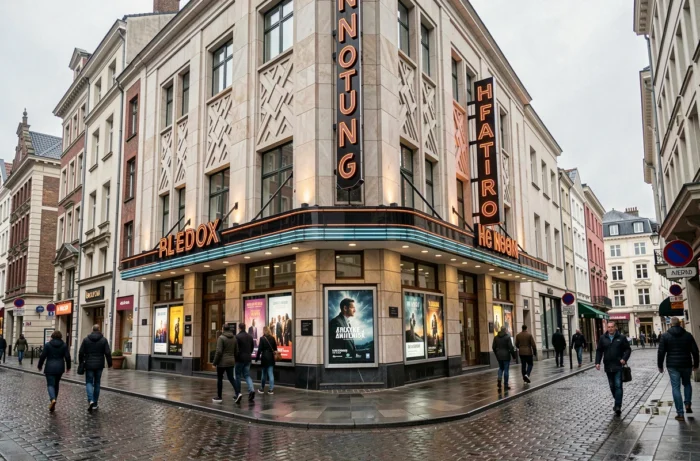
One-off events (festivals, open-air screenings and premieres) bring Brussels’ cultural calendar to life. But a permanent venue makes an activity part of everyday life. Capitole fulfils this role by offering a regular meeting place without relying on event-based programming.
This permanence affects the neighbourhood’s commercial and social fabric. A cinema that screens films every day generates a steady flow of pedestrians, brings business to nearby restaurants and cafés, and maintains a visible cultural presence in the urban landscape. The neighbourhood cinemas that have closed in Brussels over the decades have left gaps that neither out-of-town multiplexes nor digital platforms can fill.
Capitole is one of the venues resisting this erosion. Its ability to combine technical excellence with affordable ticket prices gives it a footing that many independent cinemas struggle to maintain as operating costs rise. It is precisely this positioning—neither elitist nor mainstream—that defines its place in Brussels’ cinema landscape.